
Service Area · District 12
Cleaning in Schwabing-Freimann
District 12 is large and very mixed. In the south lies the northern English Garden with quiet residential streets; further north come student halls, new residential quarters and finally commercial areas. What is a given in one part – a lift, underground parking, a loading bay – does not exist in another.
Because the district is so varied, we establish exactly where we are going before the first visit. An address by the English Garden means period stock, a narrow street and stairs; an address in a new quarter means a lift, underground parking and hard-wearing floors. The time needed differs markedly, even though both are in the same district.
Many offices in the new quarters are open floors without fixed desks, and papers are still lying out in the evening. We do not touch them: nothing is moved, nothing turned over, no surface with paper on it wiped. That is the line where cleaning stops and someone else's order begins – if a desk is to be cleaned in full, it has to be clear by the evening.
How the district grew
The southern part belongs to old Schwabing and was built up in the 19th century, when Munich outgrew its boundaries. Those who built then built for tenants, not for themselves — which is why many households still share one staircase here, and why the quiet streets along the English Garden were the expensive ones from the start.
Freimann in the north was farmland for a long time and became part of the city only in the 20th century. Barracks, works and later the Studentenstadt were built here — one of the largest student housing schemes in Germany.
In recent decades a great deal that is new has been added. On former industrial and railway land whole quarters were planned in one go instead of growing house by house. That is why in the north a whole block often belongs to one management, while in the south each building still has its own.
What you will find here
Buildings in the district
- Gründerzeit houses in the south, with stucco, tall rooms and box windows
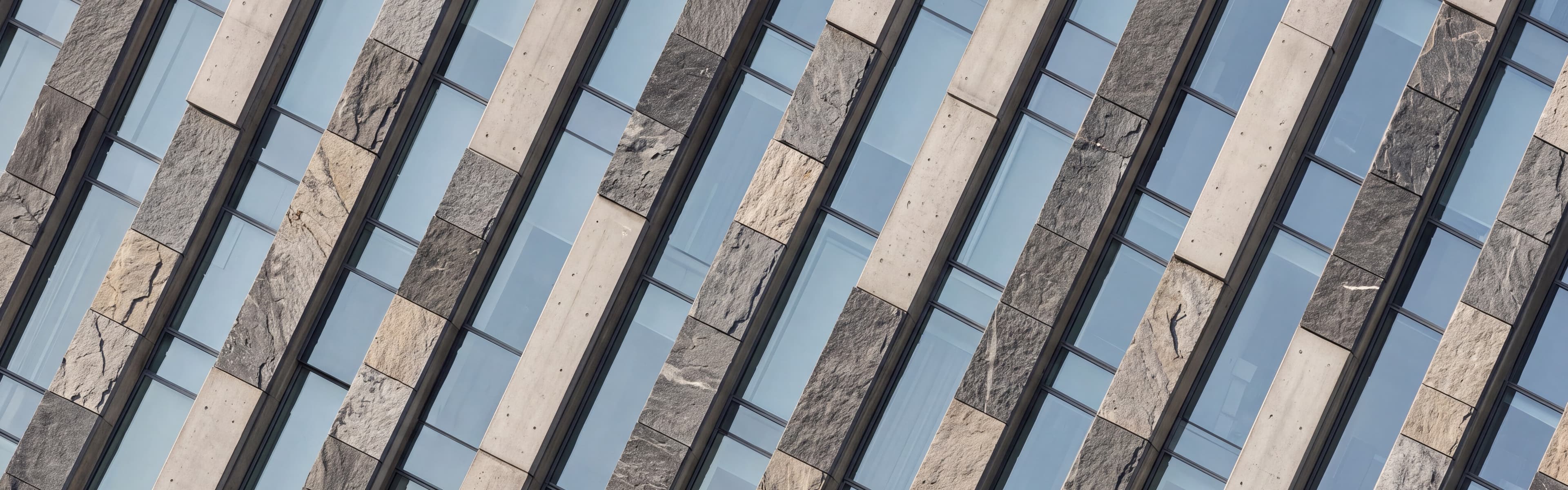
- New residential and office quarters on former industrial land, with lifts and underground parking
- Student halls with many small units and heavily used communal areas
- Commercial and logistics areas in the north, with halls and administrative buildings
- Quiet residential streets along the edge of the English Garden
- Floors by period: boards and parquet in the old stock, screed and tile in the new
What usually comes up
- Office cleaning after hours in the new quarters
- Stairwells and corridors on a fixed cycle, including the lift car
- End-of-tenancy cleaning – a frequent job in the north
- Communal kitchens and washrooms in heavily used residential schemes
- Period flats with board floors and box windows in the south
- Staff rooms and washrooms in commercial units
Access and parking
- The south is controlled parking and tight; the north usually has enough space
- The new quarters have underground parking – if we may use it, we save time
- The district is spread out; two addresses within it can be far apart
- For commercial space we need the arrangements for gate, barrier and alarm in advance
- In period buildings without a lift we carry up as many as five storeys and price it in
- One set of keys or a keypad code for all areas shortens every visit
What is different here
Inspection and contact surfaces
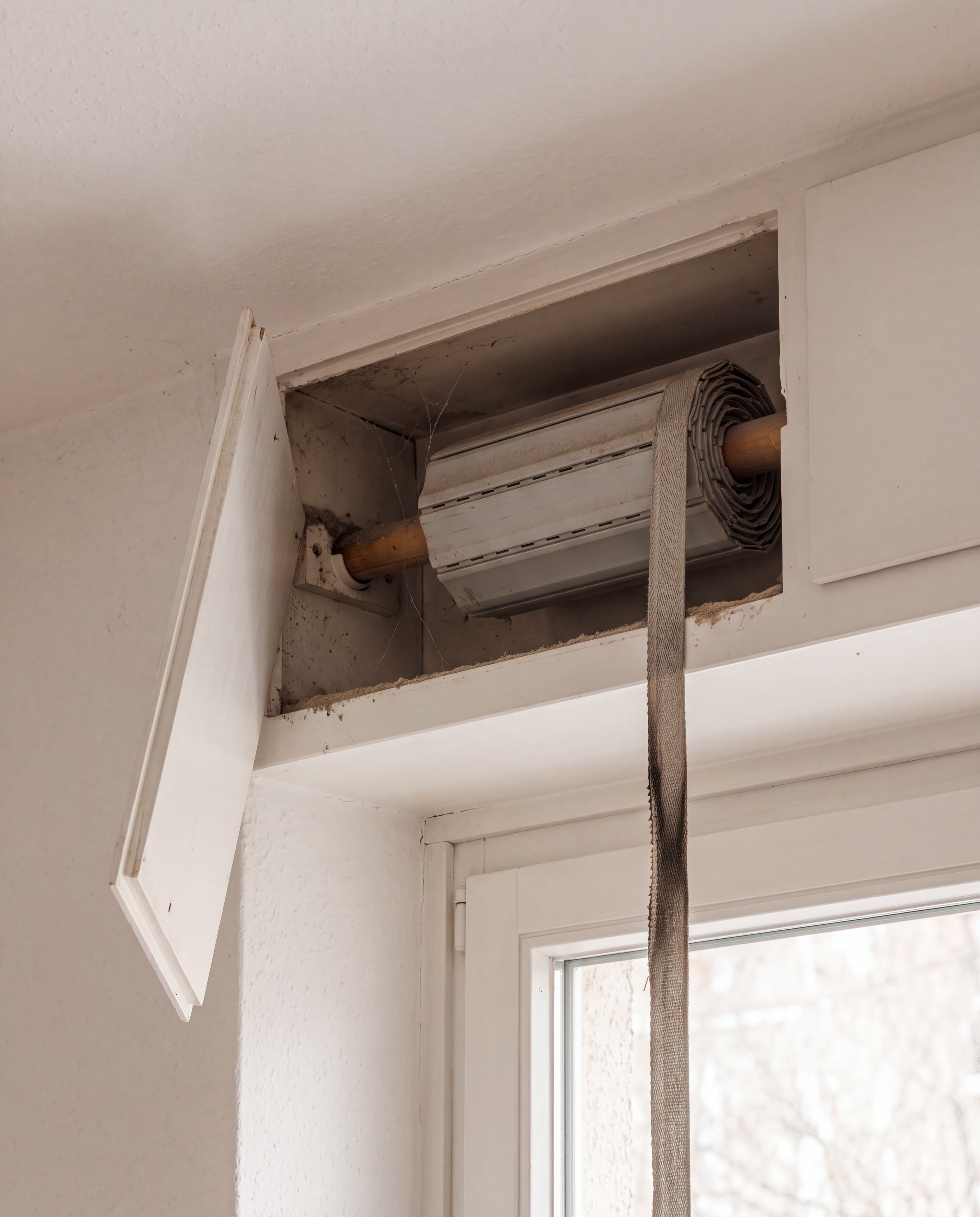
An end-of-tenancy clean is not about cleanliness but about the inspection – and that decides the deposit. What counts is rarely the floors: it is the oven, the fridge seal, the window rebate, the roller shutter box and the silicone bead in the shower. Redecorating, painting and repairs are not part of it; that is trade work, not cleaning.
In schemes with many small units the effort lies not in the area but in how often things are touched: around the clock, by many people who do not know one another. So we go over the contact surfaces at every visit, even when they look clean. Personal belongings are left where they are, even when they are in the way – there is no telling from outside whom something belongs to.
Care and distances
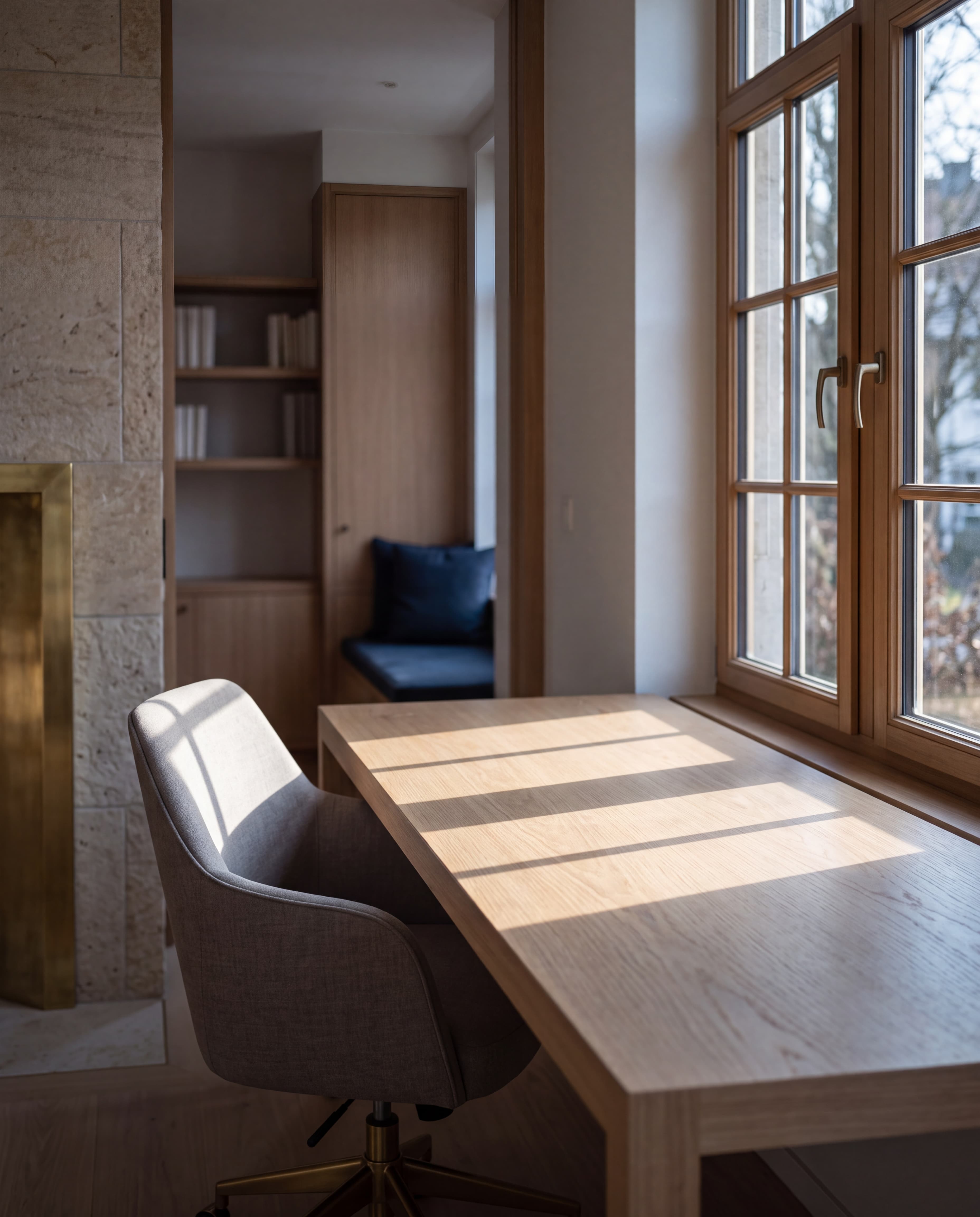
In the southern part it is not the area that costs time but the care. We check beforehand in a concealed spot how a floor has been treated and work damp-wiped only; on old wood the wrong product still shows years later. And without a lift every machine is carried – so we use nothing here that would take two people.
District 12 runs from Münchner Freiheit all the way to Fröttmaning, a good ten kilometres in a straight line. "In the same district" therefore does not yet mean "on the way". We look at two addresses on the map before promising a shared working day – a promise that does not hold costs you the second appointment.
Especially in demand here
Stairwell cleaning in Munich
Stairwells, handrails and entrance areas at fixed intervals – agreed with your property manager.
Maintenance cleaning in Munich
Recurring cleaning to a fixed service plan – each area on its own cycle.
Move-out cleaning in Munich
Cleaning before a move-in, a move-out or a handover – matched to condition, scope and your date.
Clearance in Munich
Clearing a cellar, loft, garage or commercial unit – with separated disposal and an estimate that rests on an actual viewing.
Questions from this district
Do you also do end-of-tenancy cleans with a handover date?
Yes. Tell us the handover date and we plan before it. We look at the flat beforehand and tell you honestly how much time we need – better in advance than after the fact.
Can you take on two addresses in the district on the same day?
If the routes allow, yes – though the district is spread out. Travel costs then arise only once. We tell you in advance whether it works out in the time.
Do you also paint when a flat is handed over?
No. We clean. Painting, redecorating and repairs are not part of our offer – for that you need a trade contractor.
What does a visit in district 12 cost?
Price on request. Price on request. There is no minimum order value.

We come to Schwabing-Freimann
Tell us the property, its condition and your preferred date. We will get back to you personally.