
Service Area · District 2
Cleaning in Ludwigsvorstadt and Isarvorstadt
District 2 has three faces, and they should not be confused. Around the main station it is busy and loud; near the hospitals sit practices and laboratories; and between Gärtnerplatz and the Isar lie quiet residential streets with small shops at street level. For cleaning that mostly means one thing: the right time of day changes from street to street.
In the hospital quarter, the start of consulting hours decides everything. We arrive before it, work from reception through the waiting room to the corridors, and finish before the first patients arrive. We enter treatment rooms only when the practice team clears them explicitly, and in the order they set. One thing is asked for especially often in the hospital quarter and we still do not offer it: specialist medical disinfection. We lack the qualification, and promising it would be a commitment we could not keep.
Waiting rooms are where most things get touched: door handles, chair backs, light switches, the reception counter. We treat those surfaces at every visit, however clean the floor looks. We do not tidy magazines or toys away, because we do not know what belongs where.
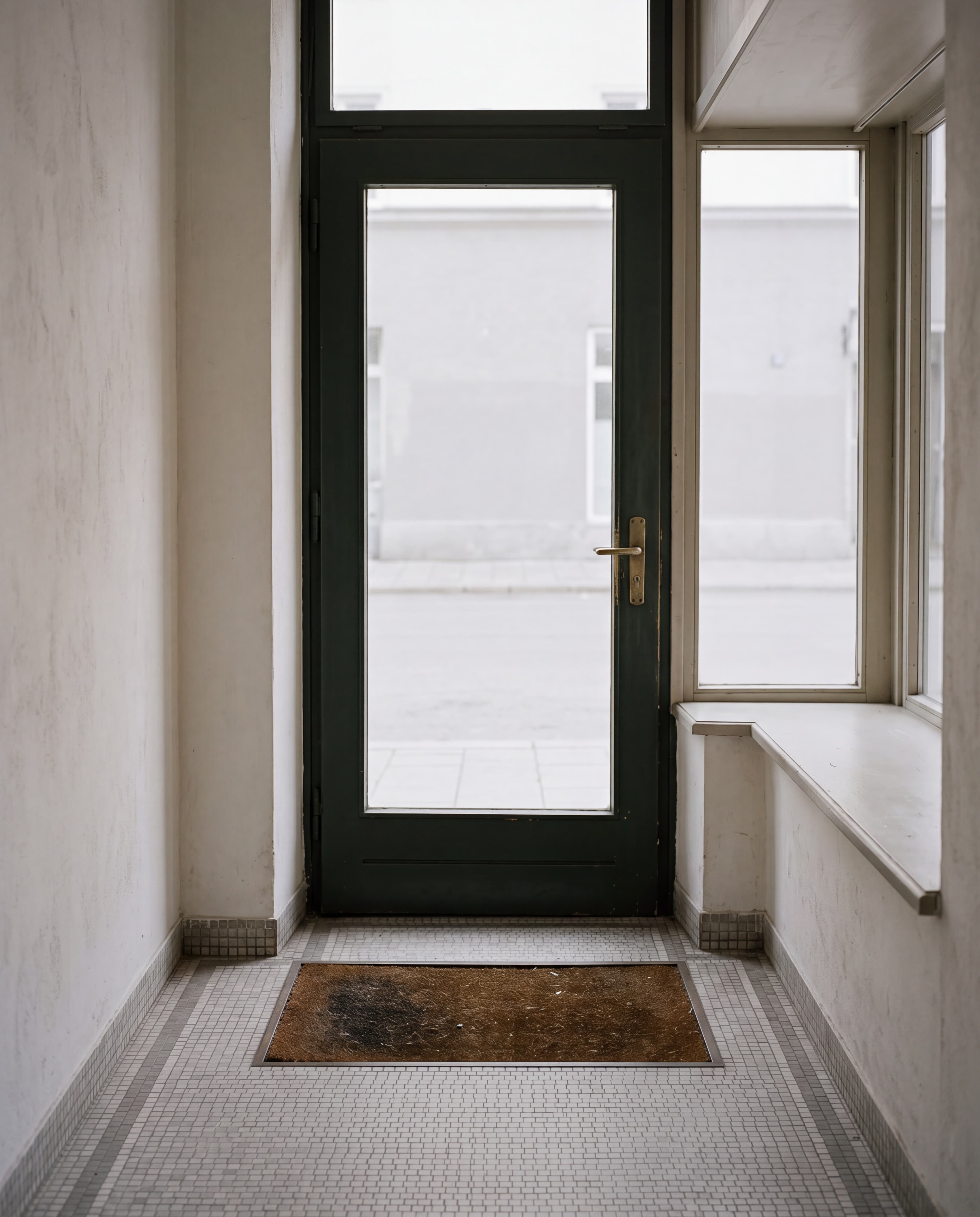
How the district grew
Both suburbs grew in the 19th century, when Munich expanded fast. Ludwigsvorstadt lay on the new railway, and inns, trade and workshops gathered around the station. Isarvorstadt housed mainly working families, along with the abattoir and the businesses that lived off it.
Building was done quickly and to a pattern, because land was expensive and demand was high. That haste can still be read today: the blocks were not designed individually but in series — and where rebuilding followed the war, the pattern was continued rather than replaced.
One part of the district is a case of its own: the hospital quarter. Over decades, clinics, institutes and practices grew together here. Between the large buildings stand Gründerzeit houses that now hold medical practices, laboratories and therapy rooms.
What you will find here
Buildings in the district
- Closed Gründerzeit blocks with shops at street level and flats above
- Medical practices, laboratories and therapy rooms in converted period flats near the hospitals
- Small retail units and restaurants around Gärtnerplatz
- Narrow courtyards holding bins and bicycles
- Stairwells with terrazzo below, timber treads above and wrought-iron balustrades
- Post-war office and commercial buildings with lifts near the station
What usually comes up
- Cleaning practices before the first consultation, because the waiting room fills up afterwards
- Waiting rooms, corridors and reception – the surfaces everyone touches
- Cleaning retail units before opening, entrance door and glass from inside
- Stairwell cleaning on a regular cycle, across stone and timber
- Washrooms in practices and shops, often without a window
- Sweeping courtyards, cleaning bin standing areas
Access and parking
- The whole district is controlled parking; around the station and the hospitals almost nothing is free during the day
- Stopping outside the door is rarely possible – the walk from the space is part of our schedule
- Our kit is carried by one person; we need no loading bay
- The streets around Gärtnerplatz are narrow and parked on both sides
- Many buildings have no lift; we carry up as many as five storeys and price it in
- A carriage entrance or a parking permit measurably shortens the visit – please tell us beforehand
What is different here
Shop windows and stairwells
For the shops around Gärtnerplatz it is the other way round: what counts is the impression from the street. Windows and entrance doors soil faster than anything else, because someone is always walking past or touching them. We clean them from inside and, at ground level, from outside too. Anything needing a ladder above head height we do not do.
The stairwells in the old blocks are a job in themselves. Terrazzo or stone on the ground floor, timber treads and risers above, plus a balustrade and handrail. Three materials do not share one bucket of mop water. Bicycles and prams in the hallway are not moved; we clean around them.
Early slots, one day
Around the main station we prefer to work early. Shops open promptly, business runs late, and during the day the pavements are so busy that cleaning makes little sense. Our hours are Monday to Friday, 08:00 to 20:00; we are happy to fix early slots.
Where several parties share one building – practice, shop, stairwell – we put them on one working day. Price on request. Given the parking here, that is where the savings add up.
Especially in demand here
Shop cleaning in Munich
Sales floor, till area and entrance are done before the doors open.
Stairwell cleaning in Munich
Stairwells, handrails and entrance areas at fixed intervals – agreed with your property manager.
Maintenance cleaning in Munich
Recurring cleaning to a fixed service plan – each area on its own cycle.
Hotel cleaning in Munich
Rooms ready inside the turnaround window, everyone working the same sequence, release back to reception.
Questions from this district
Can you come before consulting hours start?
Yes, and for practices that is the norm. We agree a fixed early slot so you can rely on it. Our hours run Monday to Friday from 08:00.
Do you also disinfect treatment rooms?
We clean treatment rooms once your team clears them, and we treat contact surfaces. We do not carry out specialist medical disinfection – that requires a qualification we do not offer.
Who commissions the stairwell cleaning?
Usually the property manager or the owners association, not an individual party. We need one contact, the interval you want, and confirmation of whether cellar, courtyard and attic are included.
What does a visit here cost?
Price on request. Price on request.

We come to Ludwigsvorstadt and Isarvorstadt
Tell us the property, its condition and your preferred date. We will get back to you personally.