
Services
Post-renovation cleaning in Munich
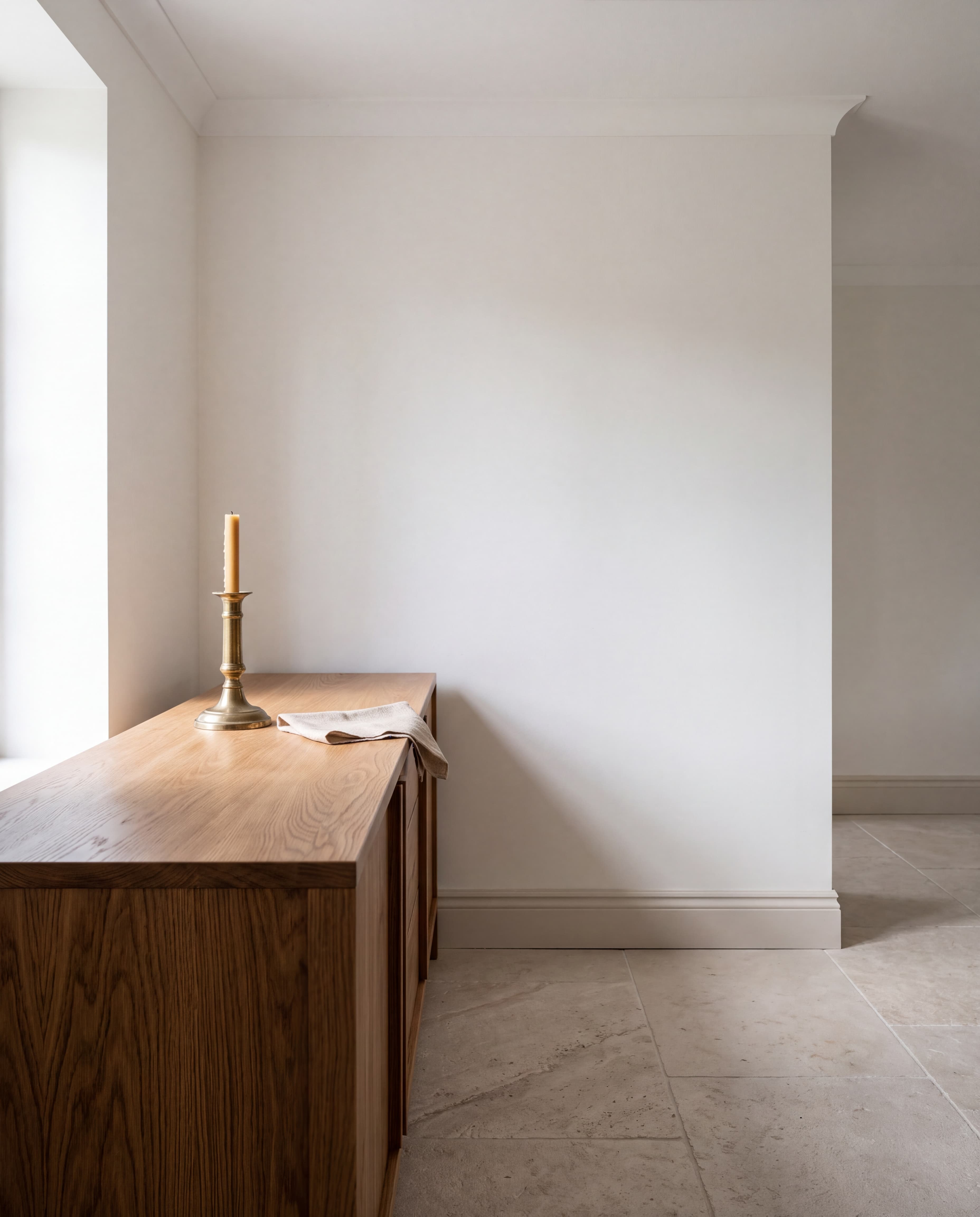
After painting, flooring or plumbing work your home stays lived in – with fine dust on every top edge, paint spatter on the windowsill and dust sheets still lying in the hallway. We therefore work room by room rather than across the whole flat: whatever you need in the evening is usable again by evening. Furniture, textiles and appliances stay where they are and are cleaned too.
What separates post-renovation cleaning in Munich from clearing an empty shell is not the dust but the contents. A wardrobe cannot be carried out, a sofa cannot be turned upside down, a plumbed-in cooker cannot be pulled away. We work around what is there: shift a piece of furniture, clean the surface beneath it, put it back. That is precisely why occupied rooms take longer per square metre than an empty space of the same size.
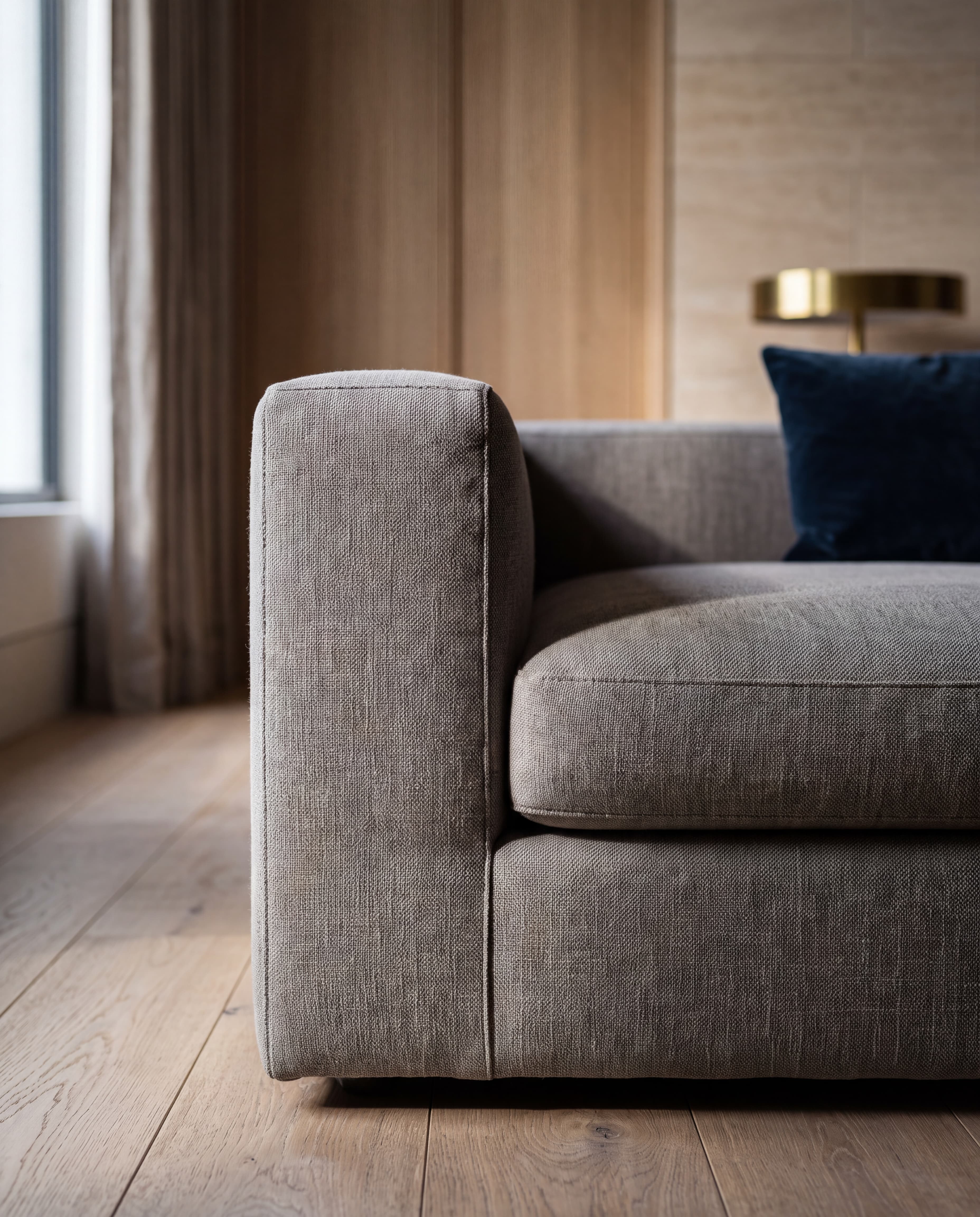
Fine dust from sanding and chasing work does not disappear in one pass. It settles into curtains, upholstery, mattresses and clothes left hanging in the open, and keeps drifting down for days whenever a door slams or a window is opened. We vacuum textiles with a fine filter and never beat anything out dry. On larger renovations we schedule a second, short visit – otherwise you will be wiping away the same grey film four days later.
Typical work
Suitable for
- Flats after painting and wallpapering
- Occupied rooms after new flooring
- Bathrooms after plumbing and tiling work
- Single rooms after window or door replacement
- Offices and practices after a partial refit during operation
- Stairwells after repainting in an occupied building
Typical work
- Fine dust from top edges, frames and trims
- Vacuuming textiles and upholstery with a fine filter
- Removing paint spatter from suitable substrates
- Adhesive and tape residue on trims and door frames
- Taking up dust sheets and film with minimal dust
- Shifting furniture, cleaning beneath, putting it back
- Vacuuming and wet-cleaning floors to suit the covering
- Windows inside, including frames and rebates
Possible add-ons
- A second dust-down visit a few days later
- Wiping out cupboards once they are emptied
- Oven and extractor hood after a kitchen refit
- Windows outside where safely reachable
What matters here
Dust and paint spatter
The places where dust lingers longest are the ones you cannot see standing up: the top edges of door leaves, cupboard tops, picture frames, curtain rails, lampshades and the gaps between radiator fins. Airborne sanding dust lands there and gradually bonds to the surface with a greasy film. We work through those top edges one by one and damp, because a dry duster simply returns the deposit to the room.
Paint spatter is a question of age and substrate. Fresh emulsion comes off with water; after a few days only mechanically, and lacquer and primer are mechanical from the start. On window glass and tiles we take spatter off with a blade, but not on painted timber profiles, plastic frames or sealed parquet – there a single blade stroke costs more than the spatter did. Please tell us when the painting was done.
Dust sheets and fresh joints
Dust sheets left behind are part of the job, but not a trivial one. Underneath fleece and film sits the dust the trades sealed in there; pull the lengths away and it is redistributed across the whole room. We roll them inwards from the wall instead. Masking tape left on longer than intended leaves adhesive lines on skirting boards and door frames – on woodchip paper these often come off only with some of the paper.
Plumbing work adds two residues that painting does not: drilling dust, which collects in tile grout and the shower drain, and freshly applied silicone joints. Depending on the product, silicone tolerates neither cleaner nor pressure for one to two days – we leave it dry during that time and come back to it if needed. That is why we ask when the joints were applied before fixing a date.
Price
- per worker and working hour
- Price on requestper worker and working hour
- travel per working day — not per person
- Price on requesttravel per working day — not per person
- site visit, only if booked separately and without an order
- Price on requestsite visit, only if booked separately and without an order
What a working hour means
Billing is per person on site and per hour worked. Two people working three hours makes six working hours.
Assuming: A living room and hallway totalling 45 m² after painting – paint spatter removed, fine dust bound, floors cleaned.
- Price on request
- Travel costs, once per working day
- Price on request
- Price on request
A different property gives a different figure. The arithmetic stays the same.
How it works
Send your request
Choose whichever way of getting in touch suits you best.
Establish what is needed
We look at area, condition, timing, materials and any special requirements.
Confirm clearly
You receive a personal response and transparent terms.
Work to the list
We arrive at the confirmed time and work through the agreed service plan. If something does not get done, you hear it the same day.
Important limits
- No rectification of trade work and no touching up of paintwork
- No repairs and no trade maintenance work
- No replacement or reworking of silicone joints
- No façade work and no façade cleaning
- No disposal of paint residues or old floor coverings
- Paint mist on absorbent substrates remains visible
We deliberately stay within our field. What we cannot carry out safely and properly, we decline in advance rather than promise.
Frequently asked questions
Do I have to move out during the clean?
No. We work room by room and set the order by what you need that same evening. Typically bedroom and bathroom come first, then the kitchen, and hallway and living area last.
When should the appointment fall relative to the trades?
After sign-off, not before. If an edge is still being cut in or a trim fitted, dust returns. With freshly painted walls we also wait until the paint has dried right through.
Will you get every paint splash off?
On smooth, robust surfaces almost always. Paint soaks into carpet, woodchip paper and untreated timber and stays visible. We say what is achievable at the appointment, not later on the invoice.
What details do you need for a quote?
Which trade worked and when it finished, how many rooms are affected, whether doors to the other rooms stood open, what flooring is down, and whether furniture and curtains were covered.
What does a post-renovation clean cost?
Price on request. A follow-up dust-down counts as a further working day.

Goes well with
Post-construction cleaning in Munich
Coarse and fine cleaning planned separately – scheduled after the last trade, not before.
Carpet cleaning in Munich
Carpets and carpeting cleaned gently – after checking fibre, backing and how they are laid.
Floor cleaning in Munich
Every floor covering has its own rule – we establish it before the mop goes into the water.
Domestic cleaning in Munich
More time for what matters to you – as a one-off or regularly by calendar.
Who we typically do this for
Talk to us
Tell us the area, the condition and your preferred date. We will get back to you personally with a reliable estimate – usually the same day during our availability hours.